
Different Types Of Tooth Implants: Which One Is Right For You? This post explains the main types of tooth implant options and how to decide which fits you. If you’re researching types of tooth implant in Louisville, this guide covers basic parts, common styles, who each suits, and next steps to book a consult.
What Is a Tooth Implant?
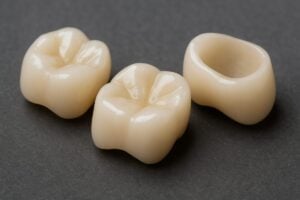
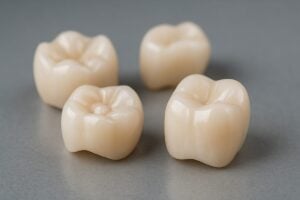
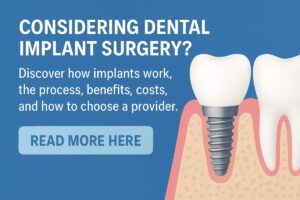
A tooth implant is a durable fake tooth root placed into the jaw. It has three basic parts: the implant (a screw), the abutment (the connector), and the crown (the visible tooth). Implants feel and function like natural teeth and are a common long-term option to replace one tooth or many.
Common Types Of Tooth Implant
Endosteal (Root-Form) Implants
These are titanium or zirconia screws placed into the jawbone. They work well for single teeth or separate missing teeth. Pros: high success rate, natural feel, strong bite. Cons: need enough bone height and width to place the screw.
Subperiosteal Implants
A metal framework sits on top of the jawbone but under the gum. This is an option when bone height is too low and the patient wants to avoid bone grafting. Pros: avoids grafts. Cons: less common and may have higher long-term risk than root-form implants.
Zygomatic Implants
Long implants anchored in the cheekbone (zygoma) for severe upper-jaw bone loss. Used in complex full-arch cases when the upper jaw cannot support standard implants. This is advanced surgery and done by experienced specialists.
All-on-4 / All-on-6 (Full-Arch Implant Bridges)
A fixed full-arch prosthesis is supported by 4–6 implants. Good for patients missing most or all teeth. Benefits include quicker restoration and often reduced need for grafting compared with many single implants.
Mini Dental Implants (MDIs)
Smaller-diameter implants used for temporary teeth, thin bone, or to stabilize dentures. Pros: less invasive, lower cost, faster healing. Cons: not ideal for heavy chewing or long-term single-tooth replacement in high-stress areas.
How To Choose Which Type Is Right For You
Bone volume and quality
Bone level often dictates the choice. Low bone may lead to zygomatic or subperiosteal options, while good bone supports endosteal implants.
Number and location of missing teeth
Single tooth, several separated teeth, and full-arch loss call for different solutions like single implants, implant bridges, or All-on-4. Match the plan to how many teeth are missing.
Health, habits, and medical history
Smoking, uncontrolled diabetes, or certain medications affect healing. Your health can limit which implant types are safest.
Budget, timeline, and expected durability
Standard implants cost more upfront but last longer. Mini implants or temporary options are cheaper but may need replacement sooner.
Desired esthetic and functional outcome
If appearance or strong biting force matters, choose solutions designed for high esthetic or functional demands.
What To Expect During Treatment
Typical steps: consultation with 3D imaging, surgical placement of implants, a healing period for osseointegration, and final crowns or bridges. Some patients need bone grafts or sinus lifts before implants.
Risks, Maintenance, and Longevity
Risks include infection, implant failure, or nerve irritation. Maintenance is daily oral hygiene and regular dental checkups. With good care, many implants last decades.
How To Pick the Right Implant Provider
Look for implant training, membership in professional groups, use of CBCT imaging, and experience providing both surgery and final restorations. Ask about success rates and whether they handle complex cases.
Why Consider Harmon Dental Center for Implants
Dr. Bradley Harmon offers implant care with advanced technology and an on-site lab. Harmon Dental Center uses CBCT, Primescan, Primemill, 3D printers, a surgical suite with IV sedation, and same-day restorations to streamline treatment and improve outcomes.
Next Steps / Call to Action
To learn which types of tooth implant in Louisville fit you, schedule a consult. Bring your medical history and list of concerns. Ask about financing and payment plans during your visit.