This guide covers all about dental implants so you know what they are, who is a good candidate, how the process works, risks and benefits, typical costs, and next steps to get started. Read on to learn the basics and feel confident asking the right questions at your consultation.
What Are Dental Implants?
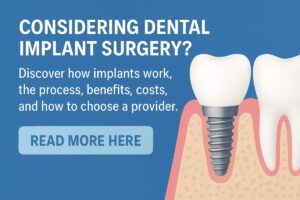
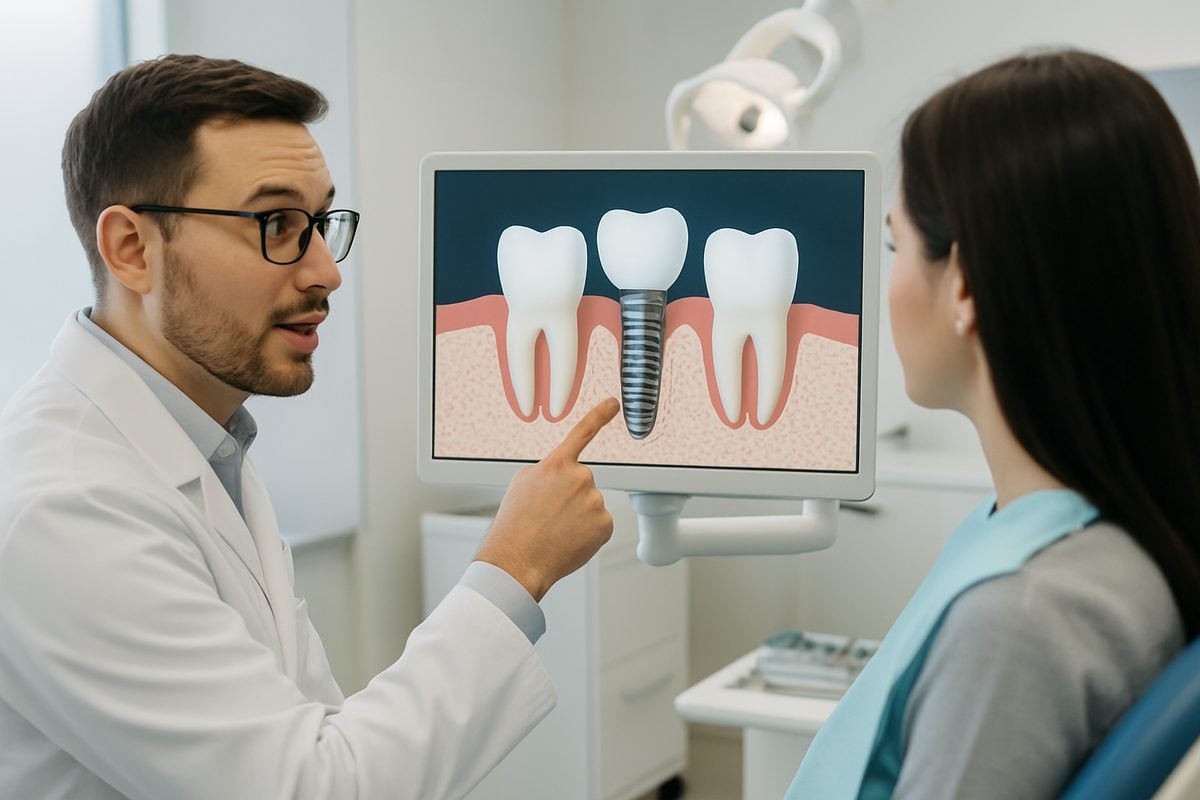
Dental implants are small posts made from titanium or ceramic that act like tooth roots. They are surgically placed into the jawbone and support crowns, bridges, or dentures. Because implants fuse with bone, they provide stable chewing and help preserve jaw structure.
Types Of Dental Implant Restorations
Single-tooth implant
A single implant replaces one missing tooth with a crown attached to the implant. This preserves nearby teeth because no bridges are needed.
Implant-supported bridge
An implant-supported bridge can replace several adjacent teeth using fewer implants than teeth replaced. It’s more stable than a traditional bridge and avoids prepping healthy teeth.
Full-arch solutions (All-on-4 / All-on-X)
Full-arch options replace an entire upper or lower set of teeth. All-on-4 and All-on-X use a few strategically placed implants to support a fixed prosthesis. Removable implant-retained dentures are another option for easier cleaning.
Materials used
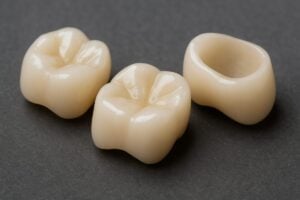
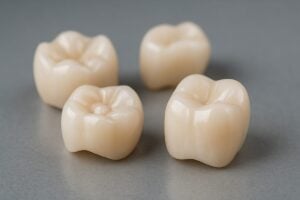
Implants are usually titanium or zirconia. Crowns and bridges use materials like zirconia, porcelain, or hybrid ceramics. These options balance strength, fit, and natural appearance.
Who Is A Good Candidate?
Good candidates have healthy gums and enough jawbone to hold the implant. Chronic conditions like uncontrolled diabetes or heavy smoking can raise risks. Older age alone isn’t a barrier. Patients with low bone volume may need bone grafts or sinus lifts before implants.
The Implant Process: Step-by-Step
Consultation and planning
The dentist performs an exam and 3D imaging (CBCT) or digital scans to plan implant size and position. A clear plan reduces complications.
Surgery and sedation options
During placement, the implant is set in the bone. Options like local anesthesia, oral sedation, or IV sedation help manage discomfort and anxiety.
Healing and osseointegration
The implant bonds to the bone over several months — a process called osseointegration. Temporary teeth may be worn during healing.
Final restoration and same-day options
Digital impressions and in-office milling or labs can produce final crowns faster. Some practices offer same-day provisional or final restorations when conditions allow.
Benefits And Risks
Benefits include stable chewing, improved speech, natural appearance, bone preservation, and long lifespan with good care. Risks include infection, implant failure, or nerve injury. Careful planning, skilled placement, and follow-up lower these risks.
Cost Factors, Insurance, And Financing
Costs vary by number of implants, need for grafting, material choices, and lab work. Many dental plans limit implant coverage. Financing, in-house payment plans, and third-party lenders are common ways to spread cost.
Aftercare And Longevity
Brush and floss daily, attend regular cleanings, and avoid smoking to extend implant life. Watch for swelling, persistent pain, looseness, or gum recession and contact your dentist if they occur. With good care, implants can last decades.
Why Choose Harmon Dental Center For Implants
Dr. Bradley Harmon treats patients like family and brings advanced training and years of experience to implant care. Harmon Dental Center offers an on-site full-mouth lab, Primescan intraoral scanning, Primemill chairside milling, CBCT 3D imaging, in-house 3D printing, and a surgical suite with oral and IV sedation for complex cases—enabling precise planning and faster restorations.
Short FAQs
Does getting an implant hurt?
Most patients have minimal pain during the procedure with local or IV sedation. Mild soreness after surgery is normal and managed with medication.
How long until I get my final tooth?
Typical timelines are a few months to allow healing, though same-day provisionals or faster final crowns are possible depending on bone health and clinic technology.
Will my insurance pay?
Many plans limit coverage for implants. Ask your provider and the dental office about benefits and financing options.
Closing / Call to Action
If you’re considering implants, book a consultation to review your images and get a personalized plan. A short visit can answer your questions and outline next steps toward a stable, healthy smile.