

Hearing that you don’t have enough jawbone for dental implants can feel like a dead end. For a lot of patients, it isn’t. Zygomatic and pterygoid implants exist specifically for cases where traditional implants aren’t an option, and they work differently enough that the bone-loss rule doesn’t apply the same way.
Why Bone Loss Rules Out Traditional Implants in the First Place
A traditional dental implant anchors into the jawbone itself, the same way a tooth root does. When the jawbone has thinned from long-term tooth loss, denture wear, or gum disease, there may not be enough density left to hold an implant securely. That’s usually when a patient is told they need bone grafting first, or that implants aren’t realistic at all.
Where Zygomatic and Pterygoid Implants Anchor Instead
Rather than relying on the jawbone, zygomatic implants anchor into the cheekbone, which is denser and far less affected by the bone loss that rules out traditional implants. Pterygoid implants anchor into bone toward the back of the upper jaw for similar reasons. Both approaches sidestep the exact problem that typically ends the conversation.
Why Grafting Usually Isn’t Needed
Because these implants don’t depend on the jawbone’s remaining volume, they typically skip the bone grafting step that traditional implants in a low-bone-density case would require. That alone can shorten treatment by months and avoid an additional surgical procedure.
What the Process Generally Looks Like
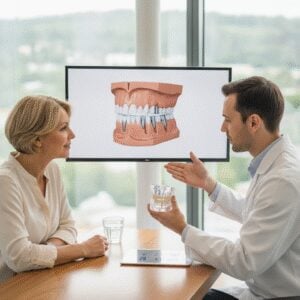
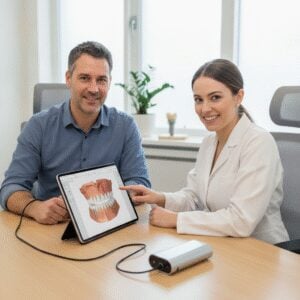
Treatment starts with a bone structure and oral health assessment, including digital scans and imaging, to confirm candidacy. Four to six implants are placed during the procedure itself under the patient’s chosen sedation, with an abutment connector attached and temporary teeth set the same day. The implants are then monitored as they integrate with the bone before a custom permanent prosthesis is placed.
Who This Is Actually For
This isn’t a first-choice option for patients with healthy bone levels. It’s specifically for people who’ve been told, often more than once, that traditional implants or even grafting aren’t realistic for their case. If that’s the conversation you’ve had before, it’s worth having a different one.
Getting a Real Answer for Your Case
Being told no once doesn’t mean the answer stays no. Schedule a consultation with Dr. Harmon’s team to find out whether zygomatic or pterygoid implants could work for you.