

What Is a Dental Implant (“Tooth Screw”)? Benefits, Recovery & Treatment Options
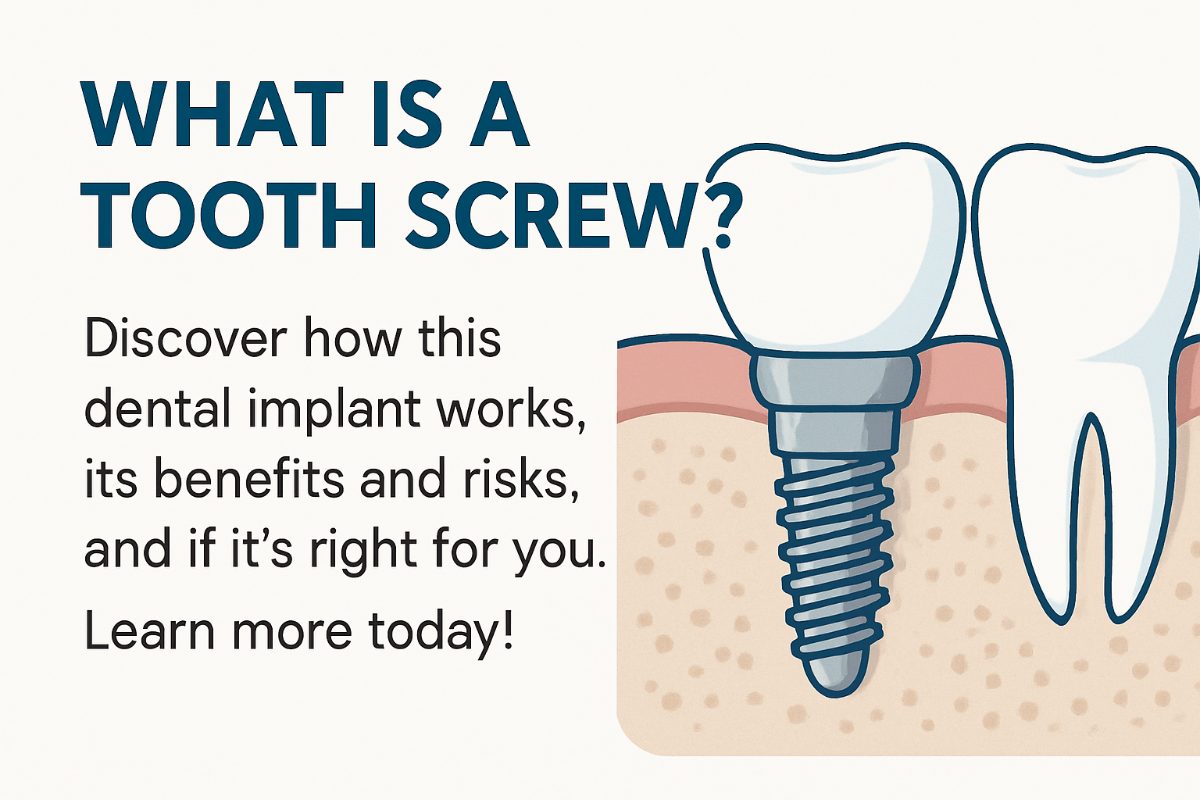
A dental implant, often colloquially referred to as a “tooth screw,” is one of the most reliable and long-lasting solutions for replacing missing teeth. The implant itself is a small, threaded post that serves as an artificial tooth root, providing a stable foundation for a replacement tooth. If you’re considering dental implants in Louisville, understanding how implants work, their benefits, potential limitations, recovery, and available alternatives can help you make an informed decision about your smile.
What Is a Dental Implant (“Tooth Screw”)?
A dental implant refers specifically to the implant body—a small, screw-shaped post that is surgically placed into the jawbone. This post acts as a secure anchor for a custom-made dental crown, bridge, or implant-supported denture. Unlike temporary dental appliances, the implant becomes a permanent part of your smile after it integrates with your jawbone through a natural healing process called osseointegration.
If you’d like a more detailed overview of treatment, read our guide on the dental implant process.
How a Dental Implant Works
The Components
A complete dental implant restoration consists of three primary components:
- The implant body (the “tooth screw”)
- The abutment, which connects the implant to the restoration
- The custom dental crown, bridge, or denture
Dental implants are commonly made from titanium or zirconia because these materials are exceptionally durable and biocompatible, allowing the surrounding bone to fuse securely with the implant.
The Placement Process
Treatment begins with a comprehensive examination that typically includes CBCT 3D imaging and digital treatment planning to evaluate bone quality and determine ideal implant placement.
Next, the implant body is carefully placed into the jawbone. During the healing period, the surrounding bone naturally fuses to the implant through osseointegration, creating a stable foundation for the final restoration. Once healing is complete, the abutment and custom crown are attached to complete your smile.
Advantages of Choosing a Dental Implant
Dental implants offer numerous long-term benefits, including:
- Restoring comfortable chewing and clear speech
- Helping preserve jawbone density after tooth loss
- Preventing neighboring teeth from shifting
- Looking, feeling, and functioning like natural teeth
- Providing a permanent tooth replacement that can last for decades with proper care
Unlike traditional restorations, dental implants replace the missing tooth root, helping maintain healthy bone levels. Learn more about how implants support your jawbone.
Modern technologies—including Primescan® digital impressions, Primemill® same-day milling, CBCT imaging, and in-house 3D printing—also improve treatment accuracy and can reduce overall treatment time.
Limitations and Potential Risks
Although dental implants have an excellent long-term success rate, they are not appropriate for every patient without preparation.
Some patients may require:
- Bone grafting
- Sinus lift procedures
- Periodontal treatment before implant placement
Smoking, uncontrolled diabetes, poor oral hygiene, and certain medical conditions may also increase the risk of implant complications or delayed healing.
Your dentist will perform a thorough examination to determine whether additional procedures are needed before treatment.
Who Is a Good Candidate for Dental Implants?
Most healthy adults with one or more missing teeth are candidates for dental implants. Ideal candidates generally have:
- Healthy gums
- Adequate jawbone density
- Good oral hygiene habits
- Overall good health
Even if you’ve experienced bone loss, you may still qualify after preparatory procedures such as bone grafting.
Alternatives to Dental Implants
While dental implants are considered the gold standard for tooth replacement, several alternatives may be appropriate depending on your needs.
Options include:
- Implant-supported bridges
- Traditional dental bridges
- Removable partial dentures
- Implant-supported dentures
- All-on-X dental implants for full-arch tooth replacement
Each option offers unique benefits regarding cost, stability, treatment time, and long-term maintenance.
If you’re replacing an entire arch of teeth, you may also benefit from learning about full teeth replacement options.
Modern Technology That Improves Dental Implant Outcomes
At Harmon Dental Center, advanced technology helps make dental implant treatment more predictable, efficient, and comfortable.
Our technology includes:
- CBCT 3D imaging
- Primescan® digital impressions
- Primemill® chairside milling
- In-house full-mouth laboratory
- 3D-printed surgical guides
- Fully equipped surgical suite
These tools allow for highly accurate treatment planning and, in some cases, same-day restorations with exceptional precision.
Recovery and Aftercare
Healing after dental implant placement generally takes several weeks to a few months as the implant integrates with the jawbone.
During recovery, patients should:
- Follow a soft-food diet as instructed
- Maintain excellent oral hygiene
- Avoid tobacco products
- Attend all scheduled follow-up appointments
Mild swelling and discomfort are normal during the first few days. However, persistent pain, fever, or movement of the implant should be reported to your dentist immediately.
Questions to Ask Your Dentist
Before moving forward with treatment, consider asking:
- Am I a good candidate for dental implants?
- Will I need bone grafting?
- What type of implant will you use?
- Can I see before-and-after cases?
- How long will treatment take?
- What will my investment be?
- What alternatives should I consider?
- How are complications managed if they occur?
These questions can help you better understand your treatment options and make a confident decision.
Frequently Asked Questions About Dental Implants
Is a tooth screw the same as a dental implant?
Yes. While “tooth screw” is a common nickname, it specifically refers to the implant body that is surgically placed into the jawbone.
How long do dental implants last?
With proper oral hygiene and routine dental care, dental implants can often last for decades and may even last a lifetime.
Does getting a dental implant hurt?
Most patients report minimal discomfort because the procedure is performed using local anesthesia, and sedation options may also be available.
Can anyone get dental implants?
Many adults qualify for implants, although some patients may first require bone grafting or periodontal treatment to create a healthy foundation.
Is a Dental Implant Right for You?
Dental implants remain one of the most effective and predictable ways to replace missing teeth while preserving jawbone health and restoring your smile. Because every patient’s needs are unique, the best way to determine if implants are right for you is through a comprehensive consultation.
Dr. Bradley Harmon combines advanced training, extensive experience, and state-of-the-art technology to create personalized treatment plans that restore both function and confidence. If you’re ready to learn whether a dental implant in Louisville is the right solution for your smile, contact Harmon Dental Center today to schedule your consultation.